Standing at a Bangkok exchange counter with unfamiliar notes can feel stressful. These Thai baht money tips boil down to this: carry cash, decline conversion offers, and skip airport exchange desks.
This guide sits inside our bangkok travel guide for visitors, which covers the wider trip.
| Item | Value |
|---|---|
| Currency | Thai baht (THB), 100 satang per baht |
| Banknotes | 20, 50, 100, 500 and 1,000 baht |
| Common coins | 1, 2, 5 and 10 baht |
| Typical Thai ATM fee | Around 220 baht per withdrawal (can vary) |
| Tip at a high-end restaurant | No more than ฿100 on a ฿4000 meal |
These figures come from Wise’s money guide for Thailand and Caxton’s travel money page. Fees and habits change, so check the source before you rely on them.
Thai baht basics: notes, coins and what to expect
The Thai baht is the official currency, and each baht is divided into 100 satang. Satang coins exist but are rarely used, because most businesses round to the nearest baht.
In daily life you will handle five banknote values and four common coins. As of Wise’s March 2025 guide, two different series of banknotes are in circulation, and both are legal tender.
- Banknotes: 20, 50, 100, 500 and 1,000 baht.
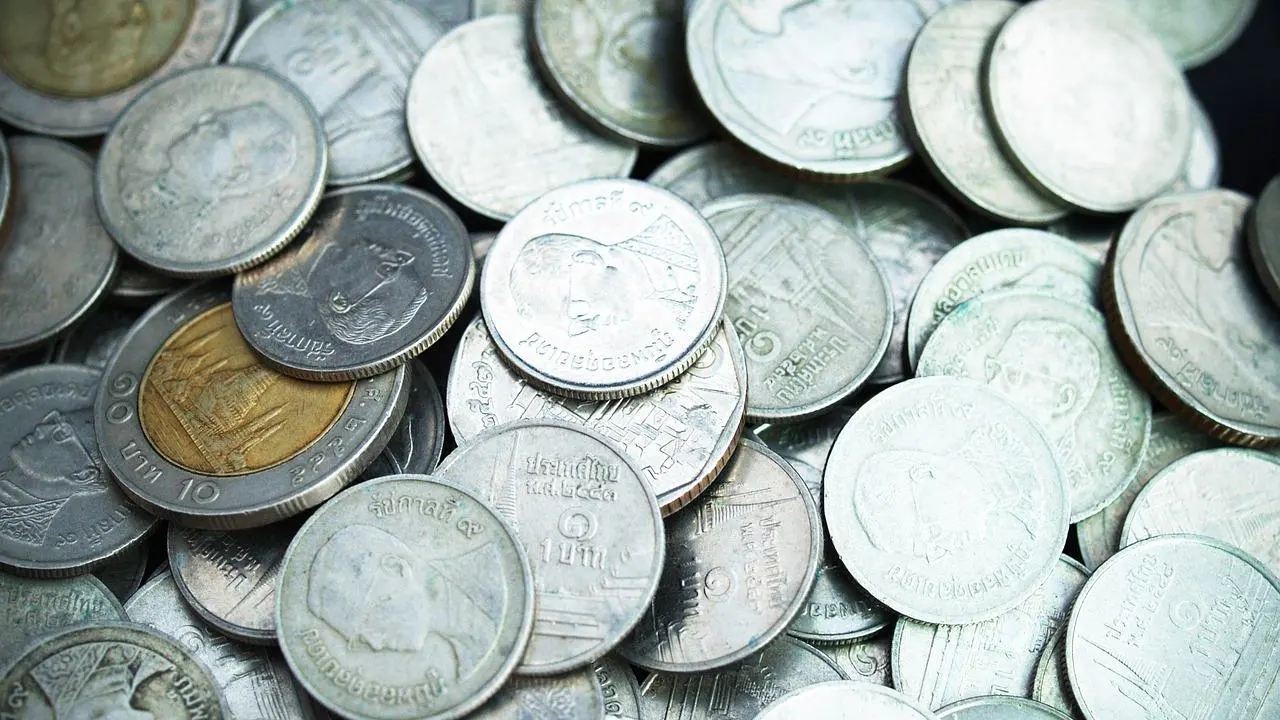
- Coins: 1, 2, 5 and 10 baht.
- Design differences between the two note series are slight, so do not refuse a note just because it looks different.
Spend baht wherever you can. Some tourist-oriented shops will take foreign currency, but the rate they give is almost certain to be poor.
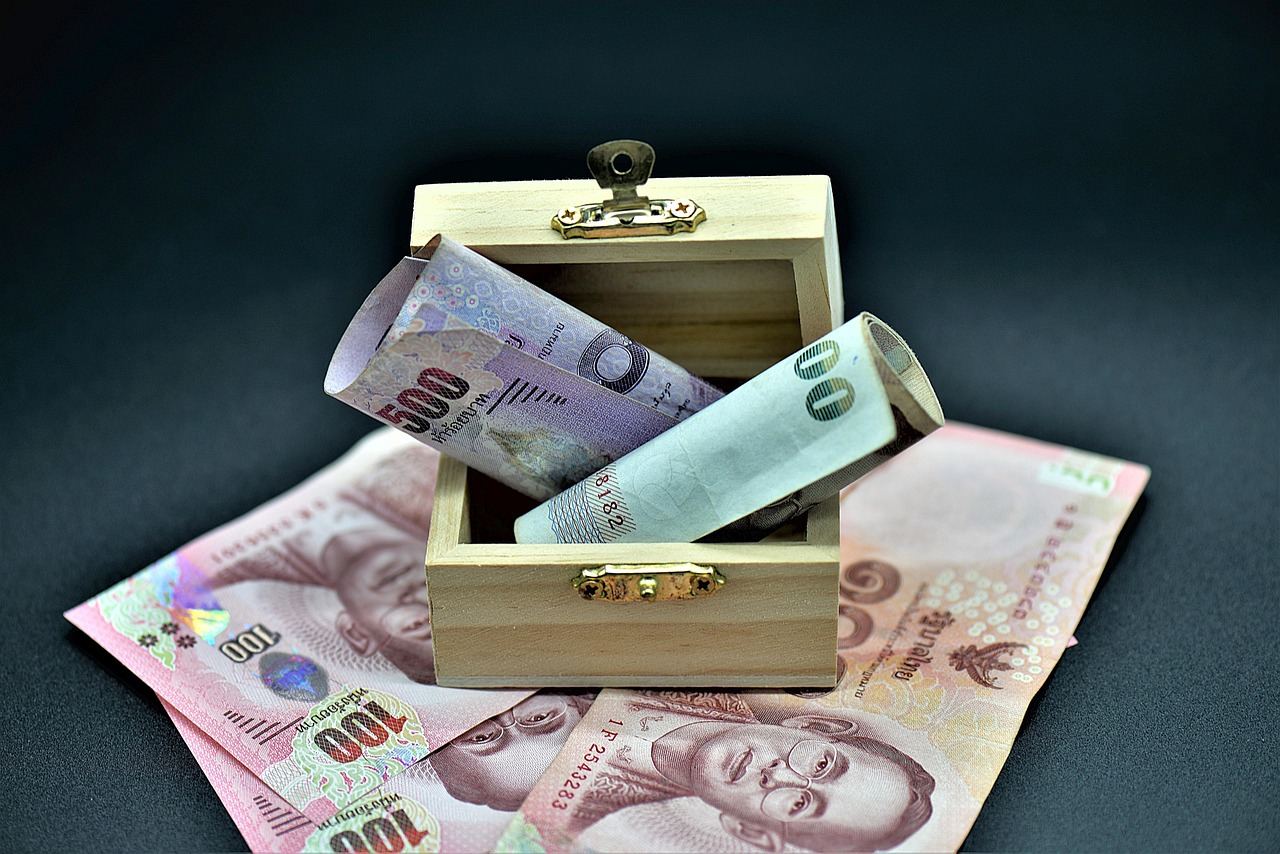
Thai banknotes carry the image of the king, so treat them with respect. If a note worries you, the Bank of Thailand website shows what genuine notes look like.
Where should you exchange money in Bangkok?
Generally, you will find better exchange rates for baht in Thailand than in your home country. Even so, compare a few counters before you hand over cash.
Many exchange services advertise “zero commission” or “no fees”. Wise’s guide notes that these businesses typically make their profit by offering a less favourable rate, so the rate on the board is what counts.
To judge a rate, look up the mid-market rate on an online converter. That is the midpoint between the buy and sell rates on the global currency market, and it is your benchmark.
- Change only a small amount at the airport, enough for the trip into town.
- Compare the posted rates at banks and licensed exchange offices in the city.
- Bring clean, undamaged notes, because exchange bureaus may refuse damaged ones.
- Avoid changing money on the street, where theft and scams are more likely, according to Western Union’s guide.
Wise adds that airport and hotel desks often offer poor rates, while an airport ATM often beats the exchange counter. Western Union’s guide gives the same advice: exchange a larger amount once you are in town.
Cards, ATMs and the conversion trap
Major cards work in larger businesses, hotels and restaurants, especially in tourist areas. Still, many smaller shops, local markets and street food vendors only accept cash.
Tell your bank your travel dates before you leave. Otherwise your card can be blocked because of suspected fraudulent activity.
The biggest card trap is dynamic currency conversion (DCC), where a terminal or ATM offers to charge you in your home currency. Wise’s advice is short: always decline it. It lets the merchant’s bank set the exchange rate, which is almost always worse than your own bank’s rate, so choose to be charged in baht.
ATMs are easy to find, but they carry a cost. Wise says most Thai ATMs charge a fee per withdrawal, typically around 220 baht, and your home bank may add its own charges. Fewer, larger withdrawals therefore usually cost less than many small ones.
Western Union also suggests checking that you are in a safe place, such as a bank or shopping mall, before you withdraw cash.
Cash, QR codes and small notes
Cash is the everyday payment method, and Caxton notes that street markets and tuk tuks generally only accept cash. Skipping street food because you lack change would mean missing a good part of the city.
Western Union recommends carrying small banknotes for taxis, markets and quick lunches, so sellers are not short of change. Our guide on how to get around bangkok covers the transport side in more detail.
QR code payment is gradually becoming more popular, with locals using PromptPay through a participating bank’s app. Western Union says tourists can use it only if they hold an account with a compatible international bank, so do not plan your trip around it.
A sensible kit looks like this:
- Some baht in small notes and coins for daily spending.
- A card for hotels, larger restaurants and shopping malls.
- A backup card kept separately in case one is blocked or lost.
Tipping and bargaining
Tipping has historically not been part of the culture in Thailand. Caxton reports that expectations rise with the price of the restaurant, but a tip tends to stay under ฿100 on a ฿4000 meal.
Bargaining is not normal in convenience stores, supermarkets or restaurants. At traditional markets, however, you might still be expected to bargain, so decide your top price before you start.
Keep the tone friendly and relaxed. Our notes on thai etiquette for visitors explain why a smile helps more than a hard line.
Frequently asked questions
Can I pay in US dollars in Bangkok?
Show answer
Wise’s guide says the baht is the only legal currency, and it is best to use baht for all transactions. A shop that accepts dollars is likely to give you a poor exchange rate.
Should I exchange money before I fly?
Show answer
Generally, rates for baht are better in Thailand than at home. Compare rates once you arrive and change only a small amount at the airport.
Do I need to tell my bank I am travelling?
Show answer
Yes. Notify your bank of your travel dates before you depart, so your card is not blocked due to suspected fraud.
Is a “no fee” exchange counter really free?
Show answer
Not necessarily. Such counters typically earn their profit through a less favourable exchange rate, so compare the rate with the mid-market rate.