Starting hydroponics for beginners is easier than it looks: you grow plants in nutrient water instead of soil. Begin with one dark bucket, an air stone and a pH pen, and learn to keep pH, nutrients and temperature steady.
Hydroponics is one piece of the wider picture covered in the guide to agriculture in thailand.
| Item | Value |
|---|---|
| Main hydroponic system designs | 6 |
| Target pH range | 5.5 – 6.5 |
| Water temperature | 18°C – 22°C |
| Seedling EC | 0.8 – 1.2 mS/cm |
| Mature fruiting plant EC | 2.0 – 3.0 mS/cm |
| Water use versus open-field farming | Up to 90% less |
These figures come from a single beginner’s guide, published by a hydroponic equipment maker. They can change and vary by crop, so check the source before you rely on them.
What is hydroponics and how does it work?
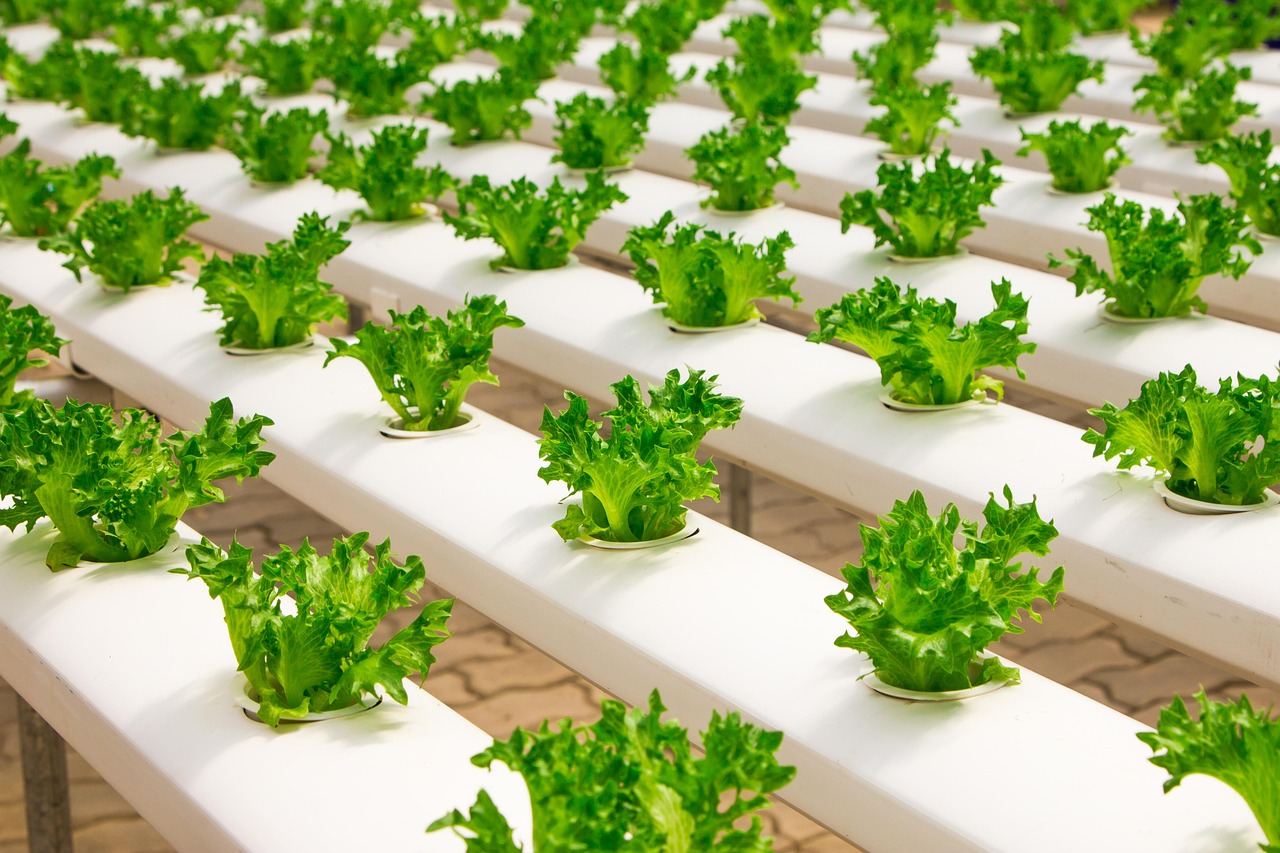
Hydroponics is a soilless farming method that grows plants in water carrying dissolved mineral nutrients. Instead of searching through soil, the roots receive nitrogen, phosphorus, potassium and trace elements straight from the solution.
Inert materials such as clay pebbles hold the stem upright, and the solution is kept well oxygenated. An air pump or a water cascade pushes oxygen into the water so the roots do not suffocate, and a water pump circulates the nutrients.
The guide lists three things that matter most: water quality, dissolved oxygen and nutrient availability. It also points to the reasons people take it up: it uses up to 90% less water than traditional open-field agriculture, avoids soil-borne pests and allows year-round indoor growing.
The six main hydroponic systems
The guide groups hydroponics into six system designs. Each one delivers water, nutrients and oxygen to the roots in a different way.
- Deep Water Culture (DWC): roots hang in a deep, static reservoir of oxygenated solution. It suits fast-growing leafy greens.
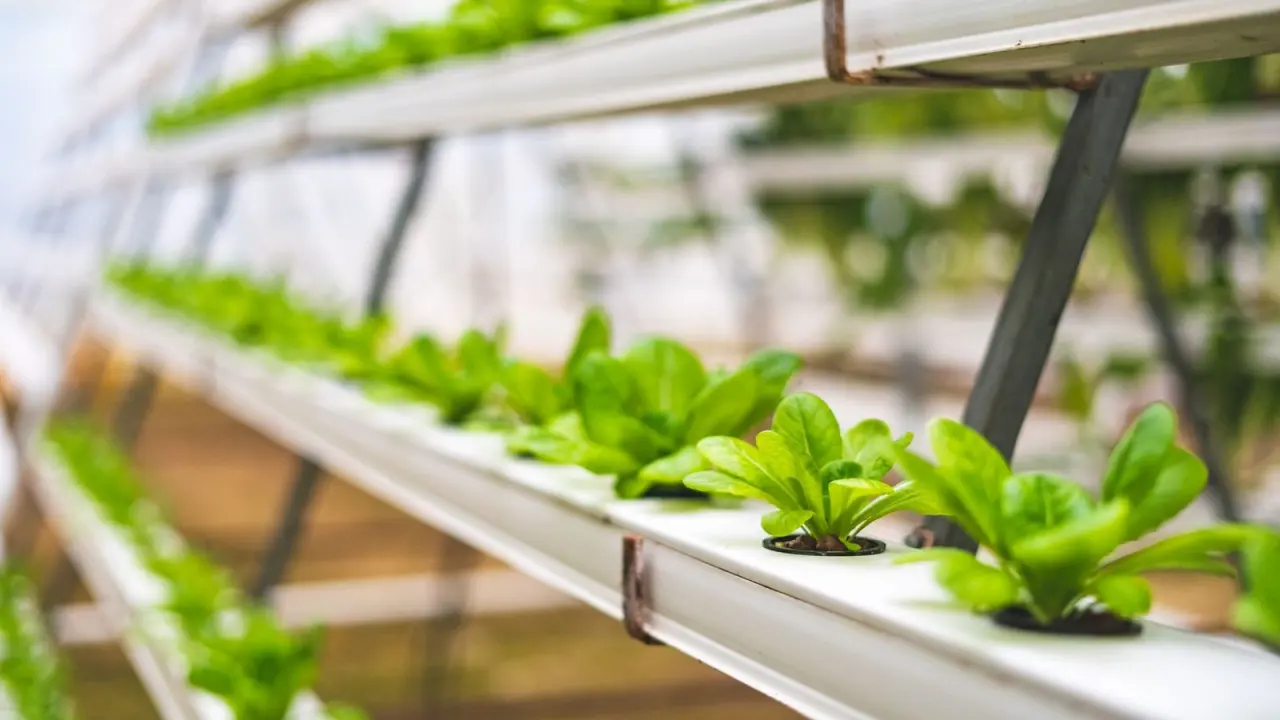
- Nutrient Film Technique (NFT): a shallow stream of solution runs down a slightly angled channel, so only the bottom of the root mass gets wet.
- Ebb and Flow: a pump floods a tray, then a timer stops it and the liquid drains back to the reservoir.
- Drip: emitters feed solution to the base of each plant through micro-tubes. The guide says it dominates commercial tomato facilities.
- Aeroponics: roots hang in dark air and are misted with pressurised solution, which needs complex high-pressure pumps.
- Wick: a nylon wick pulls water up to the growing medium by capillary action, with no electricity or moving parts.
For a first project, the guide recommends the DWC bucket. It costs the least, has few moving parts and leaves the smallest margin for mechanical failure.
Which growing medium should you choose?
Substrates give no nutrition. Their job is to support the roots and hold moisture, so the material must stay chemically inert, and the best choice depends on the system you build.
| Medium | Best system match | Water retention | Main trade-off |
|---|---|---|---|
| Coco coir | Drip, Ebb and Flow | High | Organic and sustainable, but contains natural salts and needs washing |
| Clay pebbles (LECA) | DWC, Ebb and Flow | Low | Excellent aeration and reusable, but dries out fast if pumps fail |
| Rockwool | NFT, Drip, seedlings | Very high | Sterile with a good moisture-to-air ratio, but starts with a high pH |
| Perlite | Wick systems, mixing | Low | Light and cheap, but floats away in flood trays and the dust irritates lungs |
The medium comparison above is drawn from the same beginner’s guide, and its ratings can change, so check the source before you buy.
The numbers to watch: pH, EC and temperature
The guide treats pH, electrical conductivity (EC), water temperature and air humidity as the readings to check continuously. When they drift, plants can suffer nutrient lockout.
- pH: keep it between 5.5 and 6.5. Above 6.5, elements such as iron and manganese precipitate out of the solution and the roots cannot absorb them.
- EC: this measures the total dissolved mineral salts. Seedlings need a low EC of 0.8 – 1.2 mS/cm, while mature fruiting plants need 2.0 – 3.0 mS/cm.
- Water temperature: aim for 18°C – 22°C. Above 24°C, anaerobic bacteria breed and the roots suffocate.
- Vapor pressure deficit: managing air temperature and humidity helps the plant transpire correctly.
The guide names Pythium, the cause of root rot, as the pathogen that poorly oxygenated water invites. If you grow in a warm climate such as Bangkok’s, keeping a reservoir cool is likely to be the harder job, so shade and a lidded container are worth planning for.
How to build your first bucket system
This is the DWC routine the guide describes for a first setup:
- Buy a dark 20-liter (5-gallon) bucket with a lid. Opaque plastic blocks light and prevents algae blooms.
- Place an air stone at the bottom and connect it to an external aquarium air pump with silicone tubing.
- Fill the bucket with Reverse Osmosis (RO) water and add a 2-part liquid hydroponic fertilizer until you reach your target EC.
- Adjust the pH to 5.8 with a phosphoric acid pH Down product.
- Cut a hole in the lid, set in a net pot filled with clay pebbles and transplant a seedling. The bubbling water should just touch the bottom of the net pot.
Leafy greens are the usual starting crop for DWC. Check pH and EC regularly rather than once, because the guide says managing these by hand is the number one reason beginners fail.
Home versus commercial hydroponics
The main difference is the scale of automation and data tracking. Home growers typically use small reservoirs of 10-50 liters, measure pH with handheld digital pens and mix nutrients by hand.
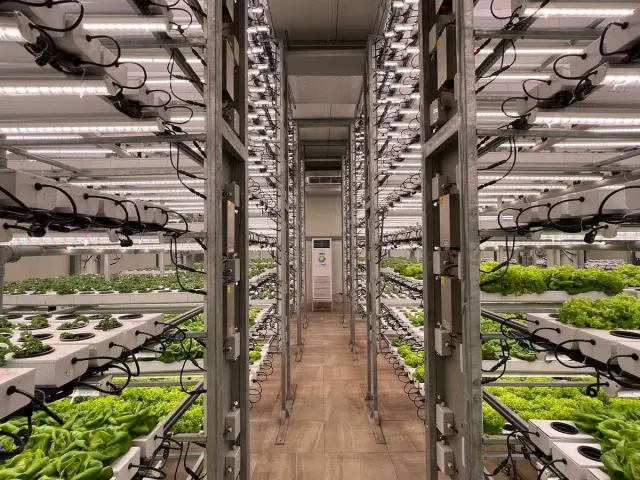
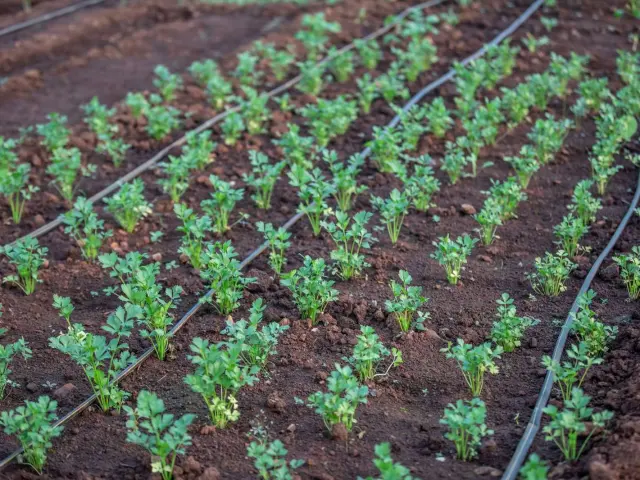
Commercial farms use centralised climate control, heavy-duty filtration and automated dosing on very large tanks. If you want to see how stacked indoor production works at that scale, read vertical farming explained, and for a soil-based contrast, see tropical fruit farming thailand.
Frequently asked questions
Do you need soil for hydroponics?
Show answer
No. Plants grow in water with dissolved mineral nutrients, and inert substrates such as clay pebbles or rockwool only support the roots.
Which system should a beginner start with?
Show answer
The guide recommends a Deep Water Culture bucket system because it has the lowest budget, very few moving parts and the smallest margin for mechanical failure.
Why use a dark container?
Show answer
Opaque plastic blocks light, which prevents algae blooms in the reservoir.
Does hydroponics really save water?
Show answer
The guide says it uses up to 90% less water than traditional open-field agriculture. The saving depends on the crop and the system, so treat it as an upper figure.
What is the most common beginner mistake?
Show answer
According to the guide, manual management of pH and EC is the number one reason beginners fail. Regular checks and small corrections help.