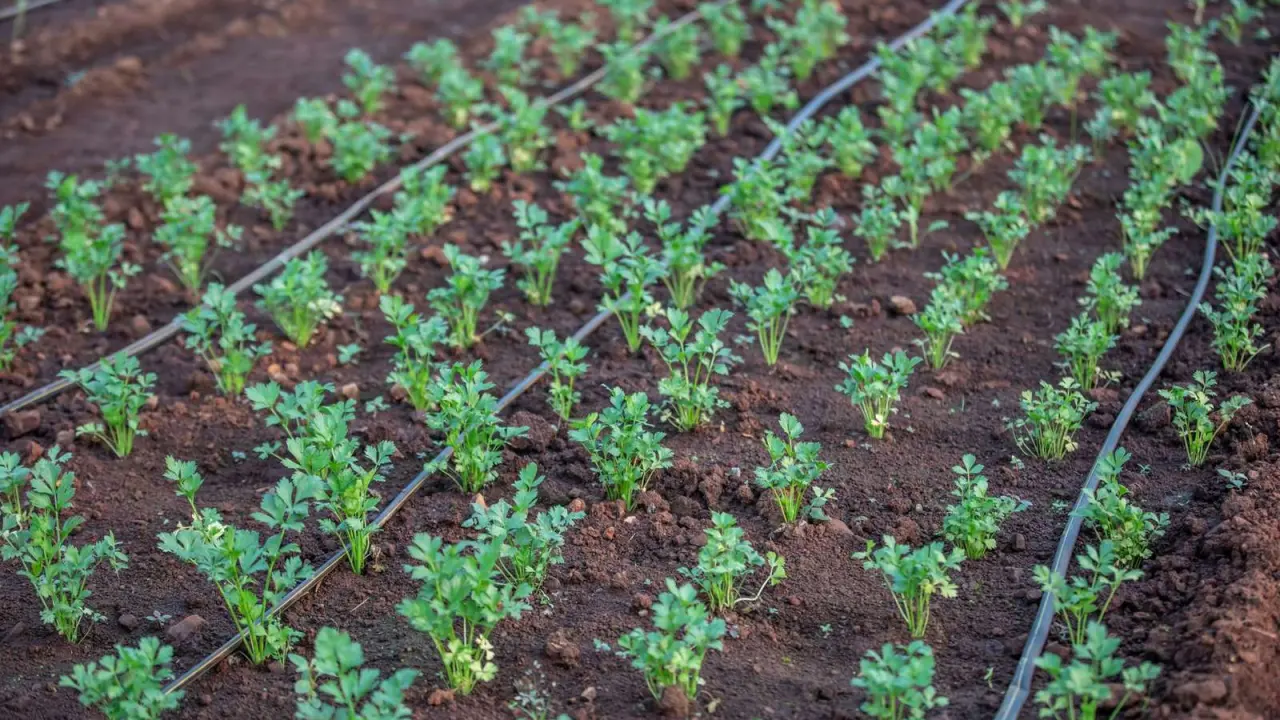
Tired of watering too much or too little? Smart irrigation systems read weather data or soil moisture and adjust each watering for you, so plants get water only when they need it.
The research below comes mostly from US extension services and vendors, so treat it as a guide to how the technology works rather than a forecast for your own site. For the regional setting, start with this overview of agriculture in thailand.
| Item | Value |
|---|---|
| Average water saving, weather-based controllers (Florida research, drought conditions) | 43% |
| Average water saving, soil moisture sensors (Florida research, drought conditions) | 56% |
| Saving by soil moisture sensors under rainy conditions | Up to 92% |
| Reduction in irrigation versus over-irrigating neighbours (single-family homes) | 10%-50% |
| Share of urban water demand used for irrigation in California | More than 50 percent |
These figures come from the LSU AgCenter summary of smart irrigation technologies and a UC Agriculture and Natural Resources publication. They can change as new studies appear, so check the source before you rely on them.
What makes an irrigation controller “smart”?
A traditional timer applies a fixed amount of water at preprogrammed dates and times. It over- or under-waters unless someone keeps adjusting it as the seasons change, according to the UC publication on soil moisture sensor controllers.
That same publication calls a controller smart when it receives feedback from weather or soil moisture sensors and automatically adjusts to give the landscape the right amount of water. Being able to switch a timer on from your phone does not qualify. A vendor explainer from Aiper notes that a phone-operated timer still runs a full cycle during a thunderstorm.
Three kinds of input are in common use:
- Rain sensors that simply interrupt watering when rain is detected.
- Weather data that estimates how much water the landscape has lost.
- Soil moisture sensors that measure the water actually in the root zone.
Rain sensors only interrupt watering and say nothing about soil water, so most guides treat the other two as the real “smart” technologies. The LSU AgCenter describes weather-based controllers and soil moisture sensors as the two primary products on the market. A HydroPoint blog post sorts smart controllers into the same two groups.
Smart irrigation is one tool within precision agriculture technology, which applies sensing and data to many farm decisions.
How weather-based controllers use evapotranspiration
Evapotranspiration, or ET, is the water leaving the root zone through evaporation from the soil surface and transpiration through the plant. The LSU AgCenter explains that it is calculated from temperature, relative humidity, solar radiation and wind speed. Few system owners could work this out by hand, which is why controllers do it for them.
Weather-based controllers differ in how they get and use ET data:
- Seasonal adjustment scales programmed runtimes up or down, while the day-of-the-week schedule stays firm.
- Water balance controllers keep a running total of available water in the root zone by tracking ET and rainfall, and irrigate when plants are no longer well-watered.
- Signal, historic or on-site sources feed the data: broadcast ET values, a regional water-use curve, or a weather station at the property, as the HydroPoint post describes.
Data quality matters. If the nearest reporting station is far from your plot, Aiper warns, you are irrigating on someone else’s weather. The upside is that weather data looks forward, so a forecast of heavy rain can cancel a watering that a soil sensor could not anticipate.
How soil moisture sensors decide when to water
A soil moisture sensor is buried in the root zone and works alongside a time clock. When the clock starts an event, the sensor reports to a controlling device with a moisture bypass threshold. The event is skipped if the soil reads above the threshold and allowed if it reads below, as the LSU AgCenter explains.
The soil science behind the threshold is simple. After saturation, soil drains to field capacity, typically 1 to 3 days later according to UC. Plants then draw the water down, and a maximum allowable depletion level marks the share of plant available water that can be removed before irrigation becomes necessary.
The HydroPoint post separates two designs. A suspended cycle system only skips scheduled cycles and will not add water when soil is too dry. A water-on-demand system holds high and low moisture thresholds and calls for water to stay between them.
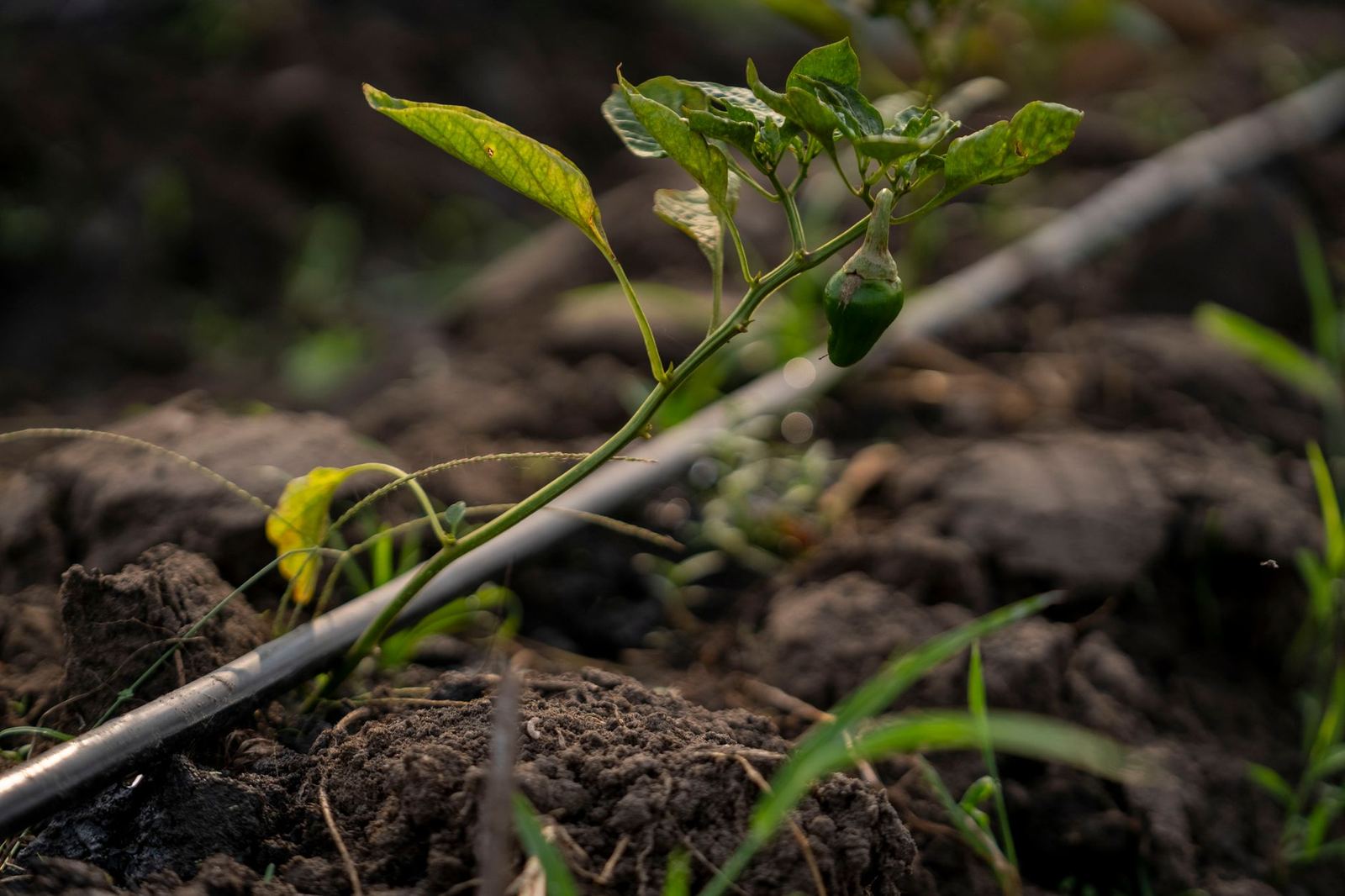
Sensors typically measure either volumetric water content or soil moisture tension, per the UC publication. Placement decides accuracy: a sensor in a low corner that collects runoff makes the whole zone under-watered because the sensor thinks everything is fine, Aiper notes. Aiper suggests four to six inches deep for a typical turf spot.
How much water can smart irrigation save?
In Florida, a rain-dominated climate, research settings averaged 43% savings with weather-based controllers and 56% with soil moisture sensors under drought conditions. Soil moisture sensors saved up to 92% under rainy conditions, according to the LSU AgCenter. In single-family homes, both technologies cut irrigation by 10%-50% compared with over-irrigating neighbours.
Results are not guaranteed. The same source calls overall performance largely positive but with inconsistent savings, because both technologies depend on how users program and operate them.
The waste they target is large. A HydroPoint blog post says outdoor water use in the United States averages more than 9 billion gallons each day, and that as much as 50% of it is wasted through overwatering. That is a vendor’s claim, so read it as context rather than a measured benchmark.
Over-irrigation has other costs. The LSU AgCenter lists nutrient leaching, topsoil erosion, runoff and standing water that can breed mosquitoes and other pests.
Choosing and setting up a system
The right pick depends on how you water now. Weather-based controllers select runtimes for each zone and can increase watering for conservative irrigators, according to the LSU AgCenter. Soil moisture sensors cannot add water beyond programmed runtimes; they only bypass unnecessary events. Terrain or buried pipework can also make sensor installation impractical.
A practical setup sequence:
- Divide the site into zones, each a section controlled by a single valve and holding plants with similar water needs.
- Check that any sensor is compatible with the controller already installed.
- Follow the manufacturer’s manual for programming, since settings vary between products.
- Test your sprinklers. Aiper recommends a catch-cup test with straight-sided containers to reveal precipitation rate and distribution uniformity.
- Recheck sensors and weather inputs regularly, because a failed device can look identical to a working one.
If your interest is protected growing, greenhouse farming basics covers the controlled setting where this kind of automation is often applied.
Frequently asked questions
Is a Wi-Fi timer a smart irrigation system?
Show answer
Not by itself. Aiper describes it as a timer with Wi-Fi: it can still run a full cycle in a thunderstorm. A system is smart when it changes its own schedule from conditions it measures or receives.
Which saves more water, weather-based or soil moisture control?
Show answer
In Florida research under drought conditions, soil moisture sensors averaged 56% savings and weather-based controllers 43%, according to the LSU AgCenter. The same source says savings are inconsistent because they depend on user programming, so neither is guaranteed to win on your site.
Is a rain sensor enough?
Show answer
A rain sensor only interrupts watering when rain is detected and says nothing about soil water. Aiper also warns that its discs degrade over a few seasons and a failed one looks like a working one.
Can a soil moisture sensor add water when the soil is dry?
Show answer
It depends on the design. The LSU AgCenter says sensors that bypass events cannot exceed programmed runtimes, while HydroPoint describes water-on-demand systems that call for water to keep moisture between two thresholds.