Trying to understand tropical fruit farming Thailand has built? The short answer: perennial orchards steered by weather, with durian now leading both new plantings and exports.
This guide sits within our wider look at agriculture in thailand, so you can follow the topic further.
| Item | Value |
|---|---|
| Total fruit exports, 2024 | US$6.51 billion |
| Durian exports, 2024 | 859,183 tons, worth US$3.76 billion |
| Share of durian shipments going to China, 2024 | 97.4% |
| Durian productive area (data as of March 2025) | 1,265,701 rai |
| Durian production forecast, 2025 | 1,682,484 tons |
These figures come from FreshPlaza’s March 2025 report on Thai fruit exports and The Nation’s April 2025 report on fruit production forecasts. They can change, so check the sources before you rely on them.
How tropical fruit orchards work in Thailand
Most Thai fruit grows on tree crops, so a planting decision shows up as a harvest years later. The Nation reports that the Ministry of Agriculture and Cooperatives’ 2025 forecast, approved at a meeting held on April 9, 2025, ties the rise in durian area to trees farmers planted in 2020, which have now matured.
Each year’s yield then turns on flowering. In 2024, the same source says, the Central region had extended dry periods and unusually high temperatures, which meant fewer fruits and let trees rest and store nutrients. Weather in 2025 was expected to be more favourable for flowering and fruiting.
The forecast also points to practical levers that growers pull:
- Better orchard management and better water sources, which the forecast expects to lift overall production.
- Flower-inducing agents for longan, which farmers used after high longan prices the year before.
- Replanting, with new longan trees replacing older, low-productivity trees as well as lychee, rubber and cassava.
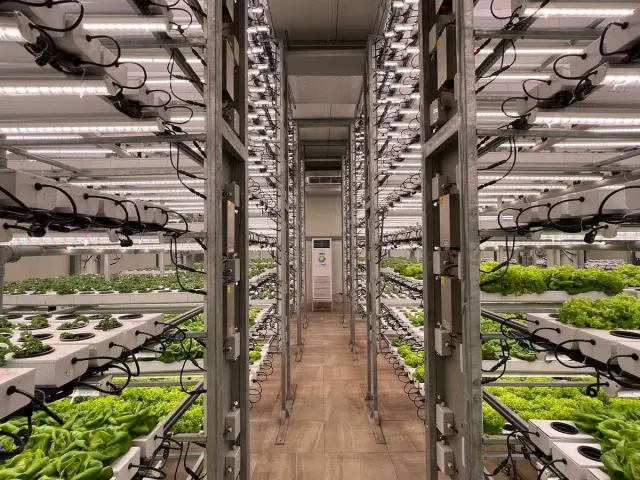
Open orchards depend on weather and time, which is why hydroponics for beginners makes a useful contrast as a very different, controlled-environment way to grow.
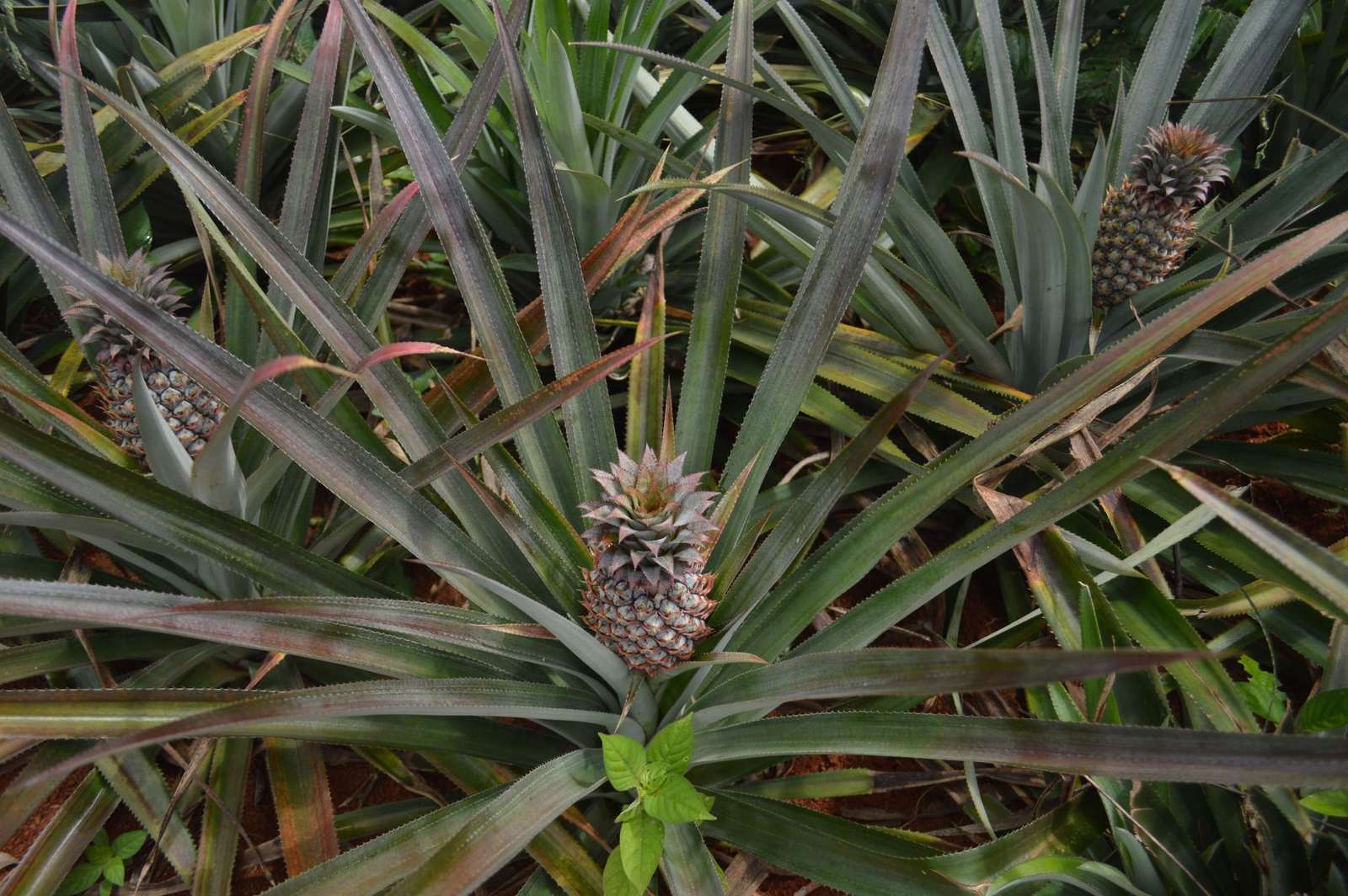
Durian: the crop pulling in new plantings
The Office of Agricultural Economics data, as of March 2025, put Thailand’s productive durian area at 1,265,701 rai, up from 1,138,475 rai. The Nation’s report adds that production was forecast at 1,682,484 tons against 1,287,048 tons a year earlier, a rise of 30.72%. Yield per rai was forecast at 1,329 kg, up from 1,131 kg.
Farmers are planting durian where other trees once stood. According to the same report, durian replaced rubber and other fruit trees in Central provinces and replaced other crops in the South:
- Central region: Chanthaburi, Rayong and Trat, where durian replaced rubber and other fruit trees.
- South: Chumphon, Surat Thani, Nakhon Si Thammarat and Yala, where durian replaced coffee, oil palm, rubber and other fruits.
The trend was still forecast to continue in 2026. As of FreshPlaza’s 5 March 2026 report, durian output was expected to reach about 1.8 million tons, up 21 per cent.
Why growers swap one fruit for another
Prices and labour decide what stays in the ground. The Nation’s April 2025 forecast covers six fruits, and four of them show shrinking bearing areas as farmers move toward better returns:
- Mangosteen: area expected at 393,277 rai, down from 399,020 rai, because many farmers removed mangosteen mixed with durian after poor prices.
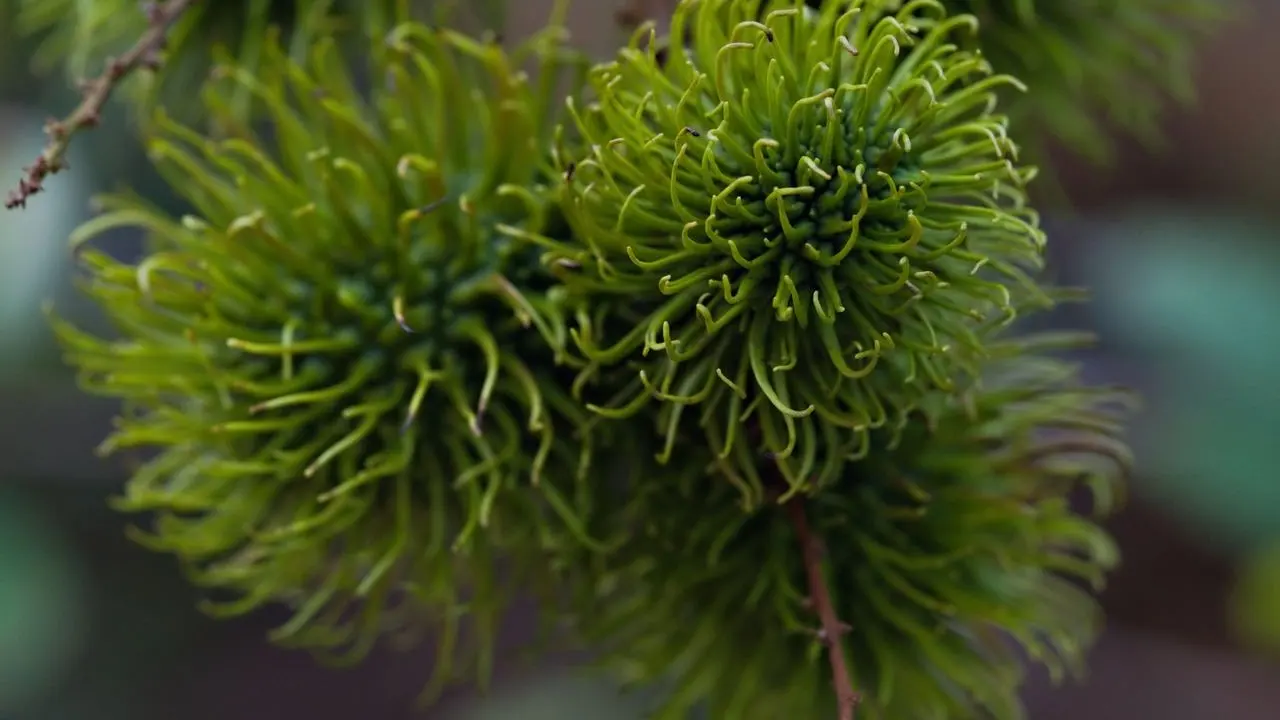
- Rambutan: area expected at 173,104 rai, down from 179,126 rai, as growers replaced trees with durian because of labour shortages and lower profitability.
- Longkong: area expected at 144,425 rai, down from 152,252 rai, as farmers cut older trees intercropped with durian.
- Lychee: area expected at 78,692 rai, down from 82,934 rai, with northern farmers switching to rubber, maize for animal feed, durian, avocado, mango and rambutan.
Longan is the exception on area. The forecast expected its productive area to reach 1,645,810 rai, which is larger than durian’s 1,265,701 rai in the same data set, even though durian leads on export value.
To see how fruit sits beside other staples, read about the main crops grown in thailand.
How weather and water set the season
A single dry year can reshape a harvest. In an estimate reported by The Nation in 2024, Kasikorn Research Centre (KResearch) expected the April-to-August durian season to fall by 18%, to about 0.96 million tonne, because low rainfall hurt flowering.
Timing differs by region. The same report says Eastern durian reaches the market from April and Southern durian from June. It also says the average price might rise 22% while farmers’ overall 2024 income rose only 0.3%, because the harvest was smaller.
The swing can go the other way. In the 2025 forecast, lychee output was projected to surge to 36,451 tons from 13,952 tons, because prolonged cold encouraged flowering after a brief cold spell the year before failed to trigger it.
Water remains a watch point. In a Thairath report dated 05 May 2026, dam levels were described as sufficient, but non-irrigated areas faced problems and the Royal Irrigation Department was told to prepare equipment.
Where the fruit goes and what can go wrong
Thai fruit is a major export business. FreshPlaza, citing the Trade Policy and Strategy Office, reports that fruit exports reached US$6.51 billion in 2024, or 22.6% of agricultural exports, with fresh fruit alone at US$5.15 billion.
Durian dominates that total. The same report says Thailand exported 859,183 tons of durian worth US$3.76 billion, which was 72.9% of fresh fruit export value, and China took 97.4% of those shipments.
That concentration creates risks:
- Competition: since 2023, China has allowed durian imports from Vietnam, the Philippines and Malaysia as well as Thailand, according to FreshPlaza.
- Rivalry in numbers: Thairath reported that Vietnam exported durian to China worth about 3.6 billion USD in 2025, closely trailing Thailand’s 4 billion USD.
- Inspections: China’s strict random checks on sulfur dioxide fumigation of fresh longan can cause shipment rejections if residues exceed limits, the same Thairath report says.
- Logistics: FreshPlaza lists container availability, certification delays and congestion at export checkpoints.
Policy is responding. As of the 5 March 2026 report, Thailand’s Ministry of Commerce had approved eight fruit price measures as total 2026 production was projected at 6.91 million tons, up 5.8 per cent. The plan targets absorbing 1.1 million tons of fruit with a budget of 500 million baht (FreshPlaza).
Thairath also reported that the agriculture minister planned to meet global fruit exhibition experts from Germany on 6 May to discuss hosting a fruit expo in Thailand. The date of that report was 05 May 2026, so check for later updates.
Frequently asked questions
How much fruit does Thailand export?
Show answer
Fresh fruit made up part of that total, and the report names durian, longan, mangosteen, young coconut and mango as the main fresh items.
Is durian the biggest fruit crop by area?
Show answer
Not among the six fruits in the 2025 forecast. Longan’s productive area was expected to reach 1,645,810 rai against 1,265,701 rai for durian, per The Nation’s April 2025 report, but durian leads export value.
Why are farmers replacing other trees with durian?
Show answer
The same report describes durian as a high-value economic crop, and says it replaced rubber, coffee, oil palm and other fruit trees in several provinces. Labour shortages and lower profitability also pushed some rambutan growers to switch (The Nation).
How much can weather change a harvest?
Show answer
A lot. Lychee production was projected at 36,451 tons in 2025 against 13,952 tons the year before, mainly because prolonged cold helped flowering, according to The Nation.